Gate Alignment Problems in Edgerton, WI: Why Cold Weather Makes Them Worse
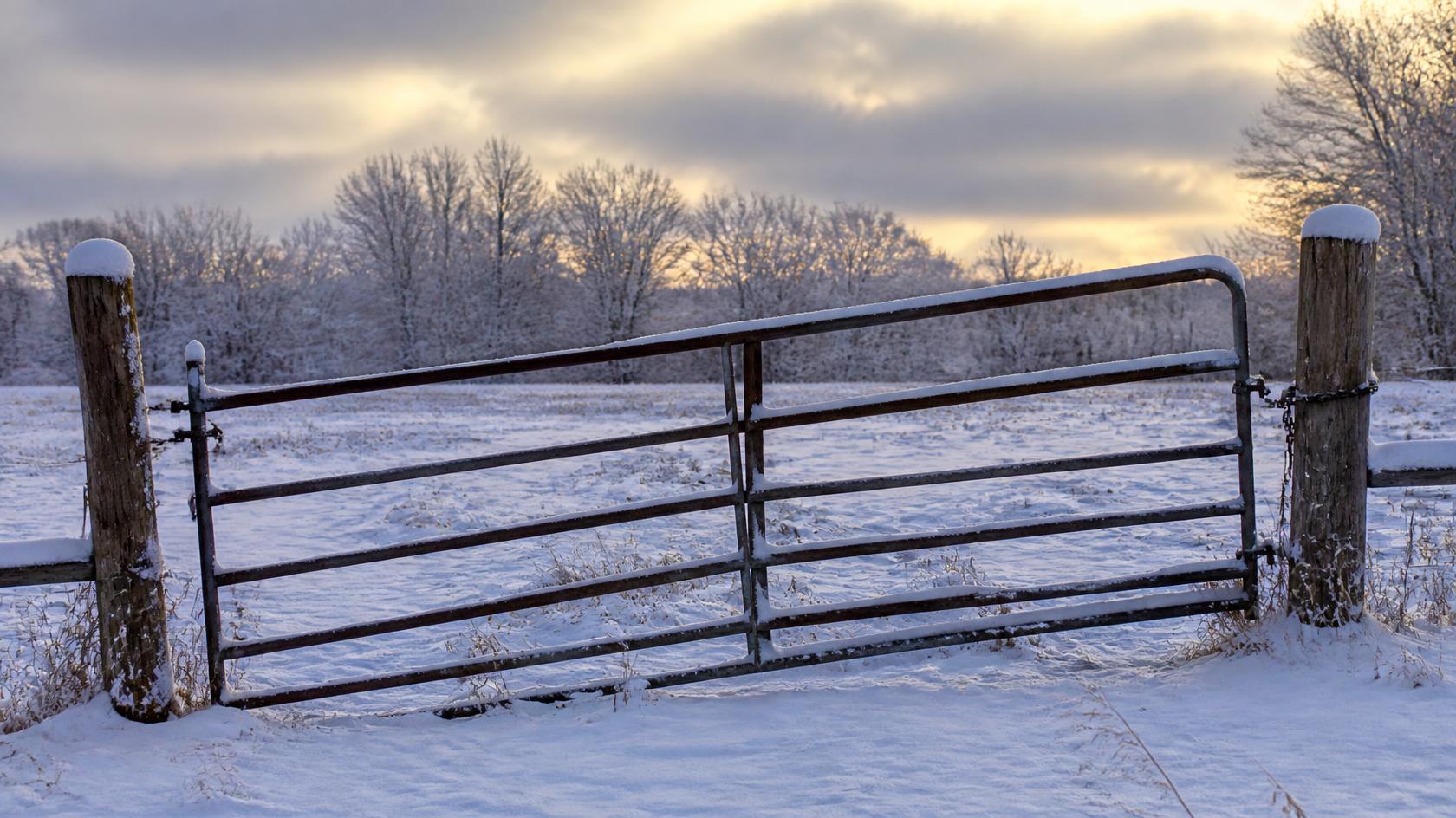
Gate alignment problems in Edgerton often become more noticeable as temperatures drop. Freeze-thaw movement, wet soil, ice buildup, worn hinges, shifting posts, and reduced ground clearance can all make a commercial gate harder to open, close, or latch. Addressing these issues before winter can help prevent access problems and repeated repairs.
Why Gate Alignment Changes With the Weather
A gate that operates normally in mild weather may begin dragging, missing the latch, or sitting unevenly as colder conditions arrive.
The problem is not always the gate itself.
Cold weather can affect:
Soil around gate posts
Concrete footings
Ground clearance
Hinges and rollers
Drainage
Snow and ice around the opening
Because gates move repeatedly while nearby fence sections remain stationary, even a small change in post position can affect how the entire entrance operates.
Commercial properties that rely on gates for deliveries, employees, equipment, or service access should pay attention to alignment changes before they become larger operational problems.
Freeze-Thaw Movement Can Shift Gate Posts
One of the biggest concerns in Wisconsin is repeated freezing and thawing.
When soil around a footing becomes wet and temperatures fall, ground conditions can change. As temperatures rise and fall again, an already unstable post may begin moving.
Signs can include:
A hinge post leaning slightly
A latch post moving out of line
A new gap between the gate and post
Concrete becoming exposed
Soil separating around the footing
A gate may only need a small amount of post movement before the latch stops lining up.
If the post is structurally sound, it may be possible to reset or stabilize it. A badly bent, corroded, or unstable post may require replacement.
Wet Soil Can Make the Problem Worse
Drainage and soil stability are closely connected to gate alignment.
Look around the entrance after rain or snowmelt for:
Standing water
Mud
Low spots
Runoff toward the posts
Erosion
Exposed concrete
If water repeatedly collects around one gate post, the surrounding ground may become less stable.
That can lead to recurring alignment problems even after the gate hardware is adjusted.
A repair should therefore consider both the gate and the conditions around the footing.
If the same gate shifts every cold season, drainage deserves a closer look.
Sagging Gates Often Miss the Latch First
Sagging is another common reason commercial gates lose alignment.
The gate may begin sitting lower on the latch side because of:
Worn hinges
Loose bolts
Frame movement
Repeated heavy use
Post movement
One of the first signs is often a latch that no longer meets the receiver correctly.
The gate may still close if someone lifts or pushes it into place, but that is a warning sign rather than a solution.
Continuing to force the gate can place more stress on the hinges, frame, and support posts.
Cold Weather Reduces Ground Clearance
A gate may have enough clearance in fall but begin dragging once winter arrives.
Possible causes include:
Snow accumulation
Ice buildup
Frozen gravel
Ground heaving
Existing sagging
Swing gates are especially sensitive to changes in the surface beneath their opening path.
If the bottom corner already sits close to the ground, even a small buildup of snow or ice can interfere with movement.
The correct repair depends on the cause. Raising the gate may not solve the problem if the hinge post is actually shifting.
Hinges Should Be Checked Before Winter
Swing gates rely on hinges to keep the frame properly positioned.
Inspect them for:
Loose hardware
Excessive play
Binding
Visible wear
Rust
Bent components
A worn hinge may allow the gate to drop slightly each time it moves.
Cold-weather debris and ice can add resistance, making the gate harder to operate and placing even more stress on the hardware.
If hinges are already worn, replacing them before winter may be more effective than continuing to adjust them.
The supporting post should also be checked to confirm that the hinge problem is not being caused by structural movement.
Sliding Gates Can Develop Different Alignment Problems
Sliding gates depend on rollers, guides, and a clear travel path.
Cold-weather issues may include:
Frozen debris
Gravel in the path
Ice around rollers
Misaligned guides
Uneven travel
Track blockage where applicable
A sliding gate that begins shaking, grinding, or pulling sideways should not simply be forced open.
The frame, rollers, guides, and operating path should be inspected together.
If the gate is being pushed out of alignment by frozen debris or damaged hardware, continued operation can increase wear.
Bent Frames Can Mimic Post Problems
Not every alignment issue comes from the ground.
Commercial gate frames can be bent by:
Delivery trucks
Trailers
Forklifts
Snowplows
Landscaping equipment
Waste-removal vehicles
A slightly distorted frame may still open, but it may no longer sit square in the opening.
That can cause:
Uneven gaps
Latch problems
Dragging
Stress on hinges
Difficult locking
If adjustments keep failing, inspect the frame itself.
Repeatedly moving the latch will not correct a gate that has been physically twisted or bent.
Snowplow Activity Can Affect Gate Alignment
Winter maintenance can create additional risk around commercial entrances.
Plows may operate close to:
Gate posts
Fence corners
Sliding gate paths
Parking lot entrances
Even minor contact can disturb a post or frame.
Snow piles can also narrow the opening and force vehicles closer to the gate than usual.
Before winter, identify how plows will approach the entrance and where snow will be stored.
Keeping extra clearance around gate posts can help reduce accidental impacts.
Road Salt and Moisture Can Affect Hardware
Commercial gates near driveways and parking lots may be exposed to road salt throughout winter.
Pay attention to:
Hinges
Bolts
Latches
Post bases
Roller assemblies
Welded connections
Salt and moisture can contribute to corrosion, especially where coatings are already damaged.
Surface rust does not always create an immediate alignment issue, but weakened hardware can eventually allow movement.
If bolts, hinges, or welded connections are already deteriorating, winter exposure may accelerate the problem.
Check Whether the Entrance Is Too Narrow
Sometimes what looks like an alignment problem is partly a traffic problem.
If vehicles regularly pass very close to the gate posts, minor impacts may gradually move or damage the entrance.
Warning signs include:
Scraped posts
Bent frames
Repeated latch problems
Cracked concrete
Damaged coatings
A gate that is frequently hit may continue going out of alignment even after repairs.
In those cases, consider whether the opening needs more clearance.
Wider gate access, bollards, wheel stops, or improved traffic routing may reduce future damage.
Prioritize Gates That Affect Daily Operations
If a commercial property has multiple entrances, focus first on the gates that matter most.
Higher-priority locations may include:
Main delivery gates
Employee entrances
Equipment yards
Outdoor storage
Service areas
Restricted zones
A secondary gate with minor alignment issues may be monitored.
A primary gate that barely closes or will not lock should be addressed before winter.
The goal is to prevent one small mechanical problem from turning into a larger access or security issue during cold weather.
Repair or Replace?
Gate alignment problems can often be repaired when:
The frame remains straight
Posts can be stabilized
Hinges or rollers can be replaced
The latch can be realigned
Corrosion is limited
Replacement may be more practical when:
The frame is badly bent
Support posts repeatedly move
Corrosion is extensive
The gate is too narrow for current traffic
Previous repairs have not lasted
The decision should be based on the full condition of the entrance, not just the visible misalignment.
Keep Edgerton Commercial Gates Working Through Winter
Cold weather can turn minor alignment problems into frustrating access issues.
Checking posts, hinges, rollers, drainage, clearance, frame condition, and vehicle traffic before winter helps businesses address the cause rather than repeatedly adjusting the same gate.
Rockford Fence provides commercial gate repair, fence repair, installation, replacement, chain link fencing, security fencing, dumpster enclosures, and other commercial fence solutions.
Contact Rockford Fence for commercial gate repair in Edgerton, WI. The team can inspect alignment problems and recommend practical repairs before cold weather makes them harder to manage.
