Industrial Security Fencing in Freeport, IL: Best Options + Pricing (2026)
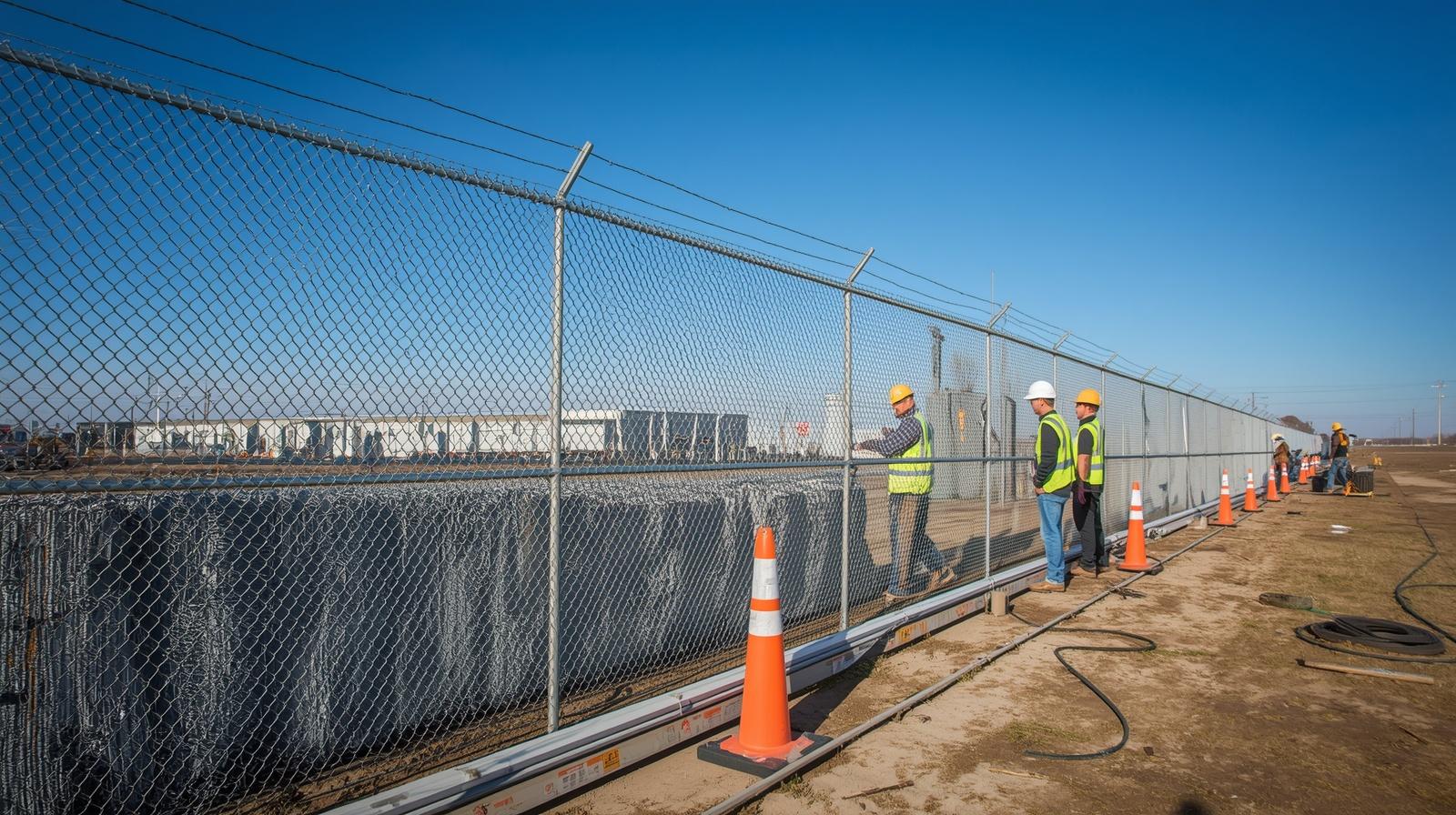
Industrial security fencing in Freeport, IL typically runs about $45 to $180+ per linear foot installed in 2026, depending on fence type, height, gauge, gates, and security features. In most cases, upgraded chain link is the lowest-cost industrial option, while anti-climb welded wire and heavy-duty steel systems provide the strongest security and durability. Freeport generally requires a fence permit for installation, with limited exceptions such as painting, maintenance, or replacement of less than 16 linear feet.
Why Industrial Security Fencing Matters in Freeport
For industrial properties in Freeport, IL, fencing is not just about defining a boundary. It helps protect outdoor inventory, fleet vehicles, loading areas, equipment yards, and controlled-access zones. It also improves traffic flow by separating public areas from employee, service, and storage areas.
Freeport’s local code also makes fence planning more important because the city regulates permit requirements, fence orientation, and height rules. The code says support and structural components must face away from adjacent properties and public rights-of-way, with the finished side facing outward.
Industrial Security Fence Cost in Freeport, IL
For planning purposes, these are practical installed ranges for industrial security fencing in the Freeport market:
Chain link with security upgrades: $45–$75 per linear foot
Welded wire mesh fencing: $70–$150 per linear foot
Steel palisade fencing: $80–$160+ per linear foot
Anti-climb security fencing: $90–$180+ per linear foot
Typical total project budgets often look like this:
Small industrial yard (150–300 ft): $8,000–$22,000
Mid-size industrial site (300–800 ft): $18,000–$60,000
Large industrial perimeter: $50,000–$175,000+
Those totals vary based on height, number of gates, terrain, and access-control requirements.
Best Industrial Security Fence Options
1. Chain Link with Security Upgrades
This is often the most economical industrial-security choice.
Typical upgrades include:
heavier-gauge wire
smaller mesh size
barbed-wire or similar deterrent topping where appropriate
reinforced posts and rails
taller heights
Best for:
contractor yards
fleet storage
utility areas
general industrial lots
Why it works:
lowest installed cost among true industrial options
easy to repair
good visibility across the site
adaptable to large perimeters
Its main limitation is that it provides less intrusion resistance than welded anti-climb systems.
2. Welded Wire Mesh Fencing
Welded wire is a major step up from standard chain link.
Best for:
manufacturing sites
logistics yards
equipment storage
higher-risk industrial locations
Why it works:
more rigid construction
smaller openings reduce footholds
better cut resistance than standard chain link
still provides visibility for monitoring and cameras
This is often the best middle-ground option when a site needs stronger security without jumping to the highest-cost systems.
3. Anti-Climb Security Fencing
Anti-climb fencing is one of the strongest options for properties with serious intrusion concerns.
Best for:
high-value equipment yards
industrial storage
controlled-access areas
facilities with repeat trespass issues
Why it works:
tight mesh reduces grip and footholds
harder to cut or scale
strong visual deterrent
works well with surveillance and access control
In Freeport, this type of fencing is a strong fit for industrial properties where perimeter security matters more than appearance alone.
4. Steel Palisade or Heavy Steel Systems
This is the premium end of industrial fencing.
Best for:
critical infrastructure
higher-risk industrial sites
utility and equipment compounds
sites that need maximum visible deterrence
Why it works:
very difficult to breach
strong long-term durability
high rigidity and strength
excellent deterrent effect
The main drawback is cost, but these systems often provide the longest service life and the strongest physical barrier.
Which Fence Type Makes the Most Sense?
A practical way to choose:
Best budget option: upgraded chain link
Best value for stronger security: welded wire mesh
Best for high-risk sites: anti-climb fencing
Best for maximum perimeter protection: steel palisade or heavy steel
The right system usually depends on three things: how likely intrusion is, how exposed your outdoor assets are, and how much long-term durability matters compared with upfront price.
Key Cost Drivers
Several factors move industrial fence pricing up or down quickly.
Fence Height
Taller fences require more material, stronger posts, and more labor. Freeport’s code generally limits existing side- and rear-yard fences to six feet, though industrial sites may need to confirm site-specific allowances and permit conditions before assuming a taller security fence is allowed.
Material Strength
Heavier-gauge steel, welded panels, and anti-climb construction all increase cost but also improve durability and security.
Gates and Access Points
Vehicle gates, man gates, and wider industrial openings can materially increase total cost. Gate operators and access control add even more.
Site Conditions
Industrial fencing costs rise when the property has:
slopes
poor drainage
unstable soil
pavement removal needs
limited equipment access
These factors increase labor time and installation difficulty.
Permit and Compliance Basics in Freeport
This is one of the most important local details. Freeport’s code says no person shall install a fence without first obtaining a fence permit, except for narrow exemptions such as painting, maintenance, or repair or replacement of less than 16 linear feet.
The code also provides fence-installation rules, including:
structural and support components must face inward
finished side must face adjacent property or public right-of-way
height is measured from the exterior finished grade
adding fill cannot be used to reduce measured fence height
Freeport also publishes a dedicated fence permit application through its Community Development Department, which reinforces that industrial perimeter fencing should be planned as formal permit-reviewed work.
Midwest Durability Considerations
In Freeport, industrial fencing must hold up against:
frost heave around posts
snow and ice accumulation
moisture-related corrosion
wind pressure on taller fence runs
That is why post depth, coatings, and structural rigidity matter so much. In practice, galvanized or coated steel systems usually make the most sense for industrial security fencing in this region.
Common Mistakes to Avoid
Industrial fence projects often go wrong when owners:
choose fence type based only on price
underestimate gate costs
overlook permit timing
assume taller security fencing is automatically allowed
ignore site drainage or soil conditions
treat the fence as separate from access control and site circulation
In Freeport especially, leaving the permit question until the end can slow the project down.
ROI: Why Industrial Security Fencing Is Worth It
For industrial sites in Freeport, the right fence can create value by helping businesses:
reduce theft and vandalism
improve access control
better organize yard operations
protect vehicles and equipment
reduce long-term repair and replacement frequency
Lower-cost systems often win upfront, but stronger welded or anti-climb systems can offer better long-term value where risk is higher.
FAQs
What is the most affordable industrial security fence in Freeport, IL?
Upgraded chain link is usually the lowest-cost industrial security option.
What is the most secure option?
Anti-climb fencing and heavy steel systems provide the strongest intrusion resistance.
Do industrial fences need permits in Freeport?
Usually yes. Freeport generally requires a fence permit, with narrow exceptions like painting, maintenance, or replacement of less than 16 linear feet.
What local rule matters most?
One of the biggest is fence orientation: the structural side faces inward, and the finished side faces outward.
Request a Site Visit & Quote in Freeport & Northern Illinois
If you're planning an industrial security fencing project in Freeport, IL, Rockford Fence helps businesses compare fence types, balance cost with long-term durability, and choose a system that matches the site’s real security needs.
We help industrial clients plan perimeter layout, gate locations, and durable fence systems built for Midwest conditions.
Contact Rockford Fence today to schedule an industrial security fence consultation and quote in Freeport, IL.
