
How to Maintain Your Fence Through Wisconsin Winters
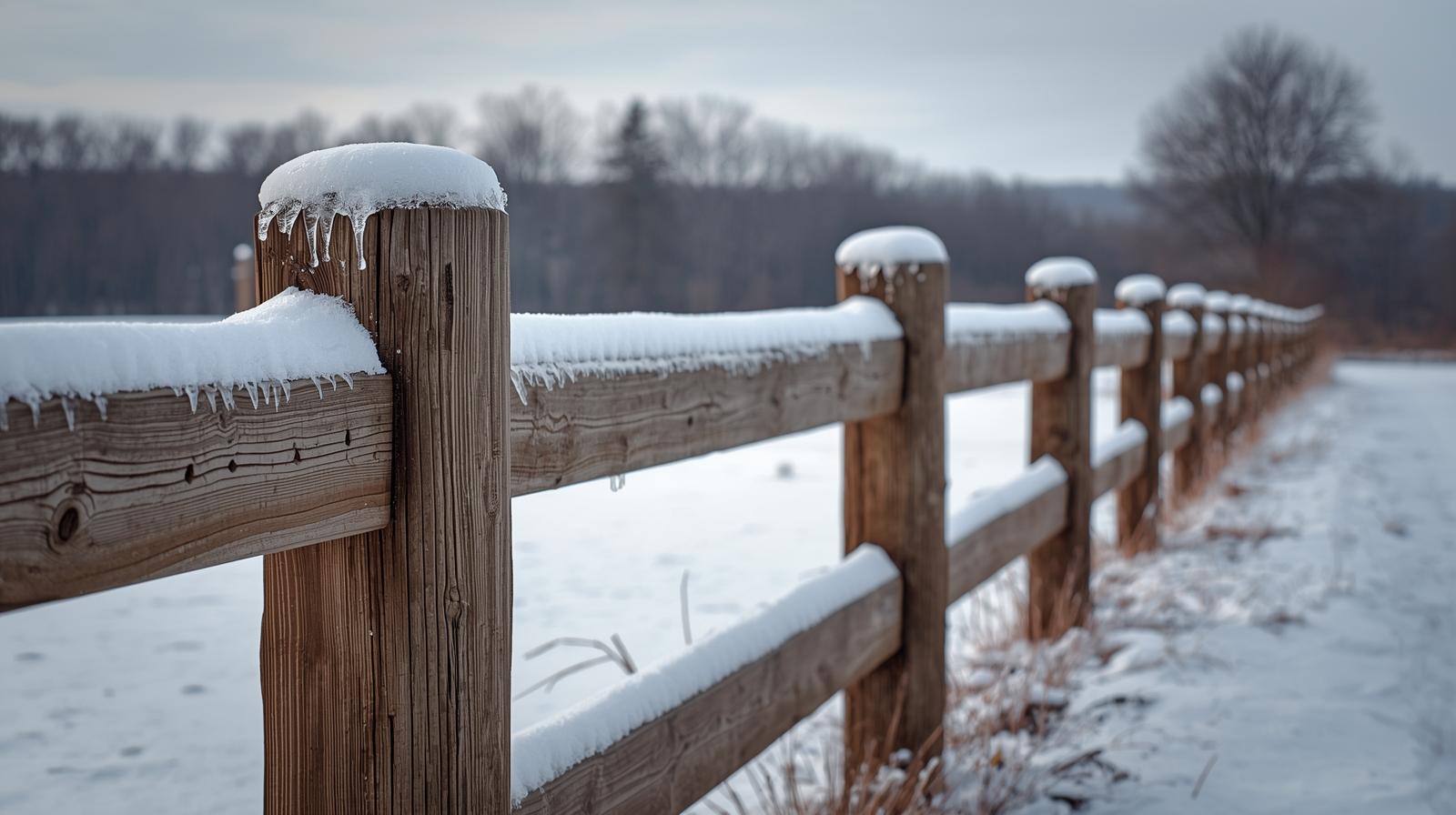
As every Wisconsinite knows, winter is on its way. While you’re pulling out heavy coats and stocking up on salt, your fence is about to face months of snow, ice, and bitter cold. That constant pressure is a bigger threat than most homeowners realize, but a little prep now can be the difference between a sturdy fence in the spring and a leaning, broken mess. A crooked fence post after a winter thaw isn't just bad luck—it's often a sign of preventable damage that can lead to thousands in replacement costs. Thankfully, this simple guide will help you prepare any fence for the harsh weather ahead.
Your 15-Minute Fall Fence Inspection: What to Spot Before the Snow Flies
Start with a simple push. Walk your fence line and give each post a firm shove near the top. If it wiggles more than a tiny bit, you’ve found a critical warning sign. A wobbly post signals a problem underground—either rot or a footing pushed up by frost. This is the number one reason fences fail during a harsh Wisconsin winter.
To check for rot, grab a screwdriver. Kneel and gently poke the base of each wooden post where it meets the dirt. Healthy wood will feel solid, but if the screwdriver tip sinks in easily, you’ve found rot. This weakened spot is exactly where a post is most likely to snap under the weight of heavy, drifting snow.
Next, scan the fence boards and their horizontal supports (rails) for failing hardware. Are screw heads or nails backing out? Do you see rust stains running down the wood? That rust means the metal is corroding and losing its grip. A strong winter wind can easily pop these compromised boards right off, leaving you with a gap-toothed fence come spring.
Easy Afternoon Fixes: How to Shore Up Your Fence for Winter
Those rusty streaks aren't just ugly; they're a sign your fasteners are failing. Before winter winds can pop a board loose, take an hour to replace them. Back out any rusty screws or pull old nails and drive in new, exterior-grade screws. At the hardware store, look for ones labeled “galvanized” or “stainless steel”—they’re coated to resist moisture and won’t rust.
If you found a post with just a little give, you can often provide enough support to get it through the winter. Use a mallet or a heavy piece of scrap wood to firmly tamp down the soil and gravel around the post's base. Compacting the ground helps stabilize it against the coming frost. This is one of the most effective winter fence protection tips for preventing a small wobble from becoming a major lean.
It might seem strange to clean a fence just before winter, but this step is vital. Green mildew and caked-on dirt act like a sponge, trapping moisture against the wood and causing rot. A simple scrub with a stiff brush and soapy water removes the grime, allowing the wood to dry out completely before the first hard freeze. This is essential for repairing fence damage from ice and snow before it even starts.
The Winter Coat for Your Wood Fence: Choosing and Applying a Sealant
With your fence clean and dry, it’s time to give it a proper winter coat. When you’re at the hardware store, you’ll see products labeled “stain” (mostly for color) and “sealant” (for protection). For our punishing winters, protection is what matters. Look for a product specifically called a “waterproofer” or “water sealant.” This is the most important part of a winterizing a wooden fence checklist.
Timing is just as important as the product. You’ll need a dry day with temperatures above 50°F, which is why early-to-mid fall is the perfect window in Wisconsin. Applying sealant in the cold or when rain is coming won’t give it time to cure and form an effective barrier.
Using a simple brush or roller, focus on areas that soak up the most water. Pay special attention to the end grain—the tops and bottoms of your fence pickets—as these act like little straws, wicking moisture deep into the wood. The same goes for the bottom foot of your posts. Thoroughly applying waterproof sealant to fence posts near the ground is your best defense against rot and frost damage.
Vinyl vs. Metal: How to Handle Non-Wood Fences in the Cold
If you have a vinyl or metal fence, you can skip the sealing step, but not winter prep. For vinyl fences, the biggest enemy is the bitter cold itself. When temperatures drop, vinyl becomes brittle. An accidental knock from a snowblower or shovel can cause a crack. Be mindful when clearing snow near your fence line. This awareness is key when comparing wood vs vinyl fence durability in cold weather; one rots, the other shatters.
Metal fences, like chain-link or aluminum, have a different adversary: salt. If your fence is near a road or sidewalk, it will get sprayed with corrosive road salt all winter. This is a fast track to rust, especially at joints and connection points. Understanding how road salt affects metal fences is crucial. Whenever there’s a brief thaw, use a hose to rinse the bottom sections of your fence to wash the destructive salt away.
The Biggest Winter Threat: Understanding and Preventing Frost Heave
The single biggest threat to your fence isn't the snow piling up against it, but the ground moving beneath it. When water in the soil freezes, it expands with incredible force in a process called frost heave. This force can grip your fence posts and literally jack them upward, leaving them loose and crooked come spring.
So why do some posts move while others stay put? It all comes down to depth. In Wisconsin, the ground freezes solid down to the frost line, typically 42 to 48 inches deep. The secret to how to prevent frost heave is ensuring the post’s concrete footing is set below this line. A shallow footing allows frozen earth to grab the post and lift it.
If you find a post is wobbly or has visibly pushed up, that’s a clear sign of a footing problem. A tiny bit of movement isn't a catastrophe, but a post that has lifted an inch or more signals a structural issue that will only get worse. Unfortunately, fixing a major heave isn't a fall task; it requires digging out the post and setting a new, deeper footing in the spring. For now, your best bet is to note which posts are problems.
Winter Habits That Save Your Fence: Managing Snow and Frozen Gates
While you can’t stop the ground from freezing, you can control the other major winter stressor: snow. When clearing your driveway, avoid blowing or shoveling snow into a pile against your fence. The immense weight puts direct pressure on the structure and traps moisture, creating a perfect environment for rot and rust.
Heavy, wind-driven drifts can also put a surprising amount of strain on entire fence sections. This is known as snow load. If a drift is deep enough to bury a significant portion of your fence, it's wise to clear some of it away to relieve the pressure.
A frozen gate is another common winter frustration. You can prevent most preventing gate latch problems in winter with one simple fall task. Before the first freeze, spray a graphite-based lubricant into your latch mechanism and hinges. Unlike wet lubricants that can freeze, dry graphite repels moisture and keeps the moving parts working smoothly.
Your Simple Fall Fence Maintenance Checklist
By turning these winter fence protection tips into a simple fall routine, you’re not just preventing damage—you’re saving yourself from costly repairs and headaches come spring.
Here is your straightforward winterizing checklist:
Walk & Inspect: Gently push on posts to check for wobbles. Look for any soft, rotting wood or loose, rusty screws.
Clean & Repair: Scrub off any dirt and mildew so your sealant can bond properly. Tighten loose hardware and replace anything broken.
Seal Your Wood: On a dry day above 50°F, apply a quality water sealant. This is your fence's best defense against moisture.
Lubricate Your Gate: Spray a little graphite lubricant into the latch and hinges to prevent them from freezing shut.
Manage Snow: During winter, avoid piling heavy, wet snow against your fence line.
An afternoon's work now is the difference between a sturdy fence and a leaning, broken one next year. If you find a post is severely rotted or leaning significantly, that’s your cue to call a professional. For everything else, you now know exactly what to do to keep your fence standing tall and strong.
