
Property Line & Fence Laws in Illinois
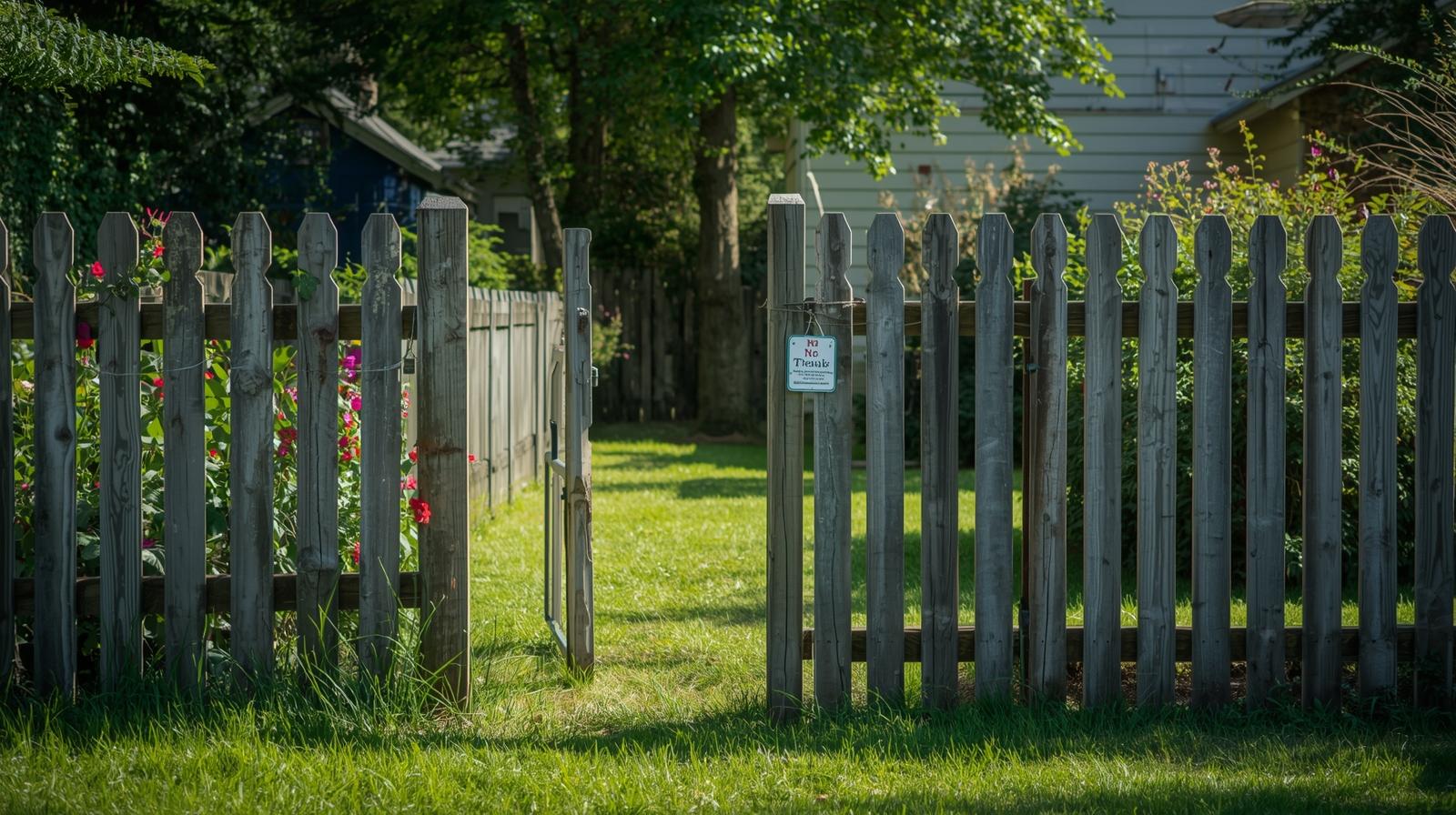
That old saying, “Good fences make good neighbors,” is only half true. In Illinois, a badly placed fence—even by a few inches—can quickly turn a friendly wave into a costly legal dispute. The key to neighborly peace isn’t the fence itself, but knowing where your property rights begin and end.
Most conflicts stem from confusion over the official property line, the invisible but legally binding boundary separating what's yours from what's theirs. When this line is unclear, state and local laws dictate the rules. This guide explains how to find your boundaries, build correctly, and handle disputes, providing a clear roadmap to protect both your property and your peace of mind.
How to Find Your Exact Property Lines in Illinois
Guessing your property line based on a sidewalk or lawn edge is a recipe for disputes. The only legally recognized definition of your property’s boundaries is on a Plat of Survey. This document is the official blueprint for your land, showing its exact dimensions and relationship to neighboring lots.
You might already have this survey from your home's closing documents. If not, contact the title company that handled your purchase, as they may have a copy on file. If an existing survey is unavailable or old, the definitive solution is to hire a state-licensed surveyor.
A professional will visit your property, locate the official property line markers (iron pins often buried at the corners), and draw a new, legally binding map. While this service has a cost, it’s a small investment compared to the expense of moving a fence or defending a lawsuit.
Key Illinois Fence Rules: Height, Setbacks, and Permits
With your survey in hand, you can focus on the rules for the fence itself. While a common guideline is a six-foot height limit for backyards and four feet for front yards, your local municipal ordinance—your city's specific law—has the final say on height, style, and materials.
Your town will also have rules about setbacks, which are mandatory buffer zones defining how far a fence must be from your property line, a sidewalk, or the street. To enforce this, most municipalities require you to get a permit before building, which confirms your project follows all local land use regulations.
Before you start, run through this quick checklist:
Search your town’s rules online (e.g., “Chicago fence permit requirements”).
Reference your survey to honor property lines.
Talk to your neighbor as a courtesy.
Who Is Responsible for a Boundary Fence Between Neighbors?
When a fence sits directly on the property line, it is known as a boundary fence. Because it serves both properties, Illinois law generally considers it jointly owned, meaning responsibility for upkeep and repairs is shared. This principle is guided by the Illinois Fence Act, which suggests that neighbors who benefit from a shared fence should also share its maintenance costs.
For most homeowners, this translates to a 50/50 split for the reasonable cost of repairing or replacing a boundary fence. Communication is essential. Before hiring for repairs, discuss the work with your neighbor and get an agreement on the cost, ideally in writing. A simple email is sufficient for documentation. This shared responsibility, however, only applies to fences on the property line.
What to Do When a Neighbor’s Fence Is Over Your Property Line
If you discover your neighbor has built a fence over your property line, act methodically, not emotionally. First, confirm the facts by locating your property survey to verify the boundary and the extent of the encroachment. This document is your foundation for handling any dispute.
Once certain the fence is on your property, notify your neighbor. A friendly conversation is a good start, but follow up with a written notice via Certified Letter. This provides a receipt and proof of delivery, creating a legal record that you officially objected to the fence’s placement.
This record is vital due to a legal concept called adverse possession, a version of “squatter’s rights” for property lines. Under Illinois law, if someone openly and continuously uses your land without permission for 20 years, they can potentially claim legal ownership of it. Your Certified Letter proves their use is not permitted and can interrupt a future adverse possession claim. Taking prompt, documented action is the most important step to protect your land.
Illinois Rules for Trees, Shrubs, and Fence Attachments
Property line issues extend beyond fences. When a neighbor’s tree sends branches or roots onto your side, Illinois law grants you the “right to trim.” You can legally cut any part of the tree that crosses the boundary, but you cannot go onto your neighbor's property to do so and could be liable if your trimming fatally harms the tree.
Interestingly, any fruit on branches hanging over your property still belongs to your neighbor. Picking it without permission is technically theft, so it's always best to ask first.
This same principle of ownership applies to fences located entirely on your land. A neighbor cannot hang flower pots, attach a clothesline, or lean anything against your fence without your consent. Understanding these specific rights helps prevent small disagreements from escalating.
Your Action Plan for Solving Property Line and Fence Disputes
Navigating a property line issue doesn't have to be a stressful dead end. With a clear understanding of Illinois law, you can protect your rights calmly and confidently. Most issues can be resolved early by following this 4-step path:
Talk to your neighbor calmly with your survey in hand.
Send a formal request via certified mail.
Suggest a neutral third-party mediator.
Consult a real estate attorney if other steps fail.
Think of this process not as a race to the courthouse, but as a framework for preserving peace. By leading with communication, you protect not only your property line but also your peace of mind—the most valuable boundary worth defending.
