
Security Fence Options for Delavan, WI Businesses: Cost & Use Cases
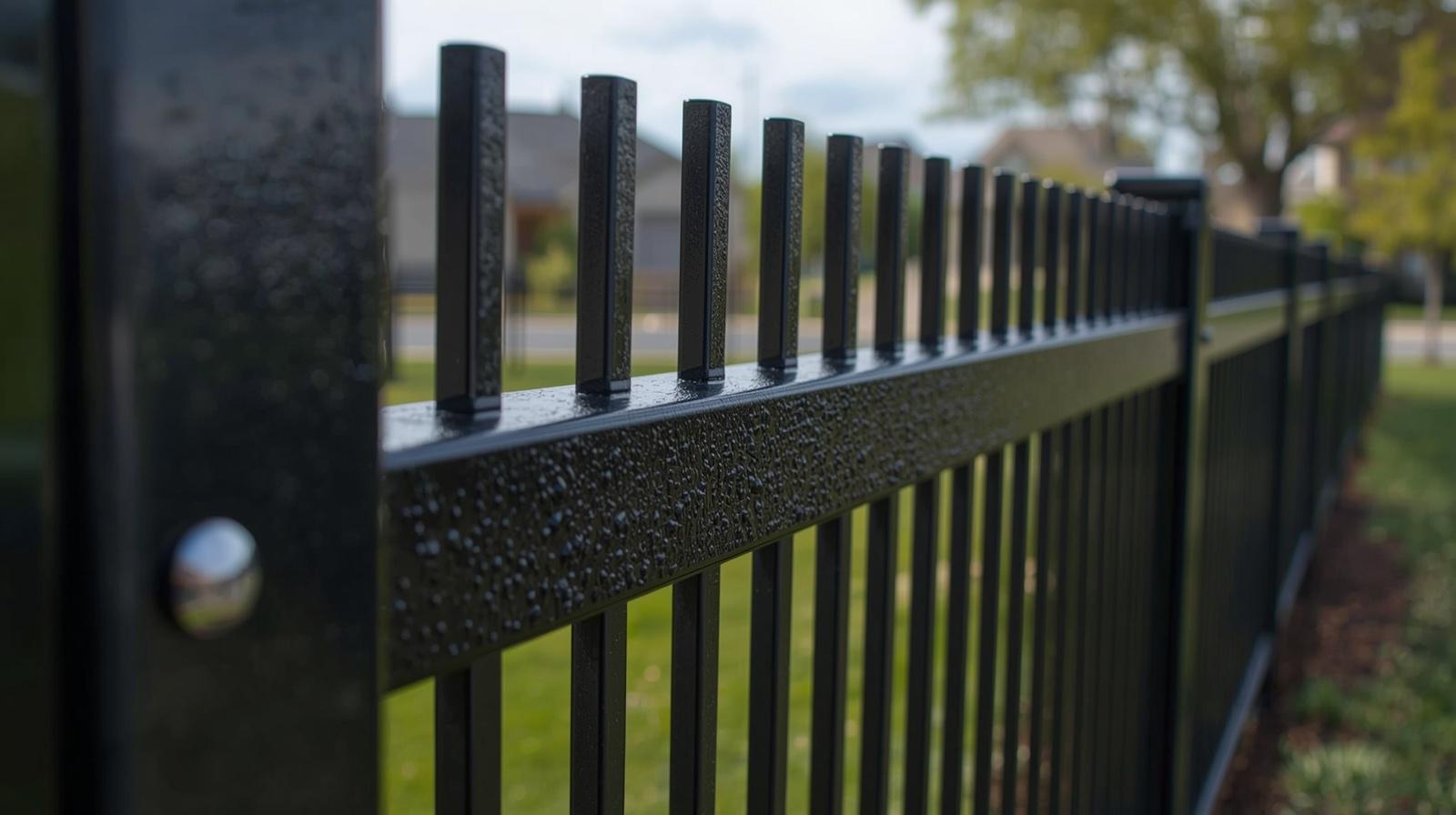
Security fencing in Delavan, WI typically costs about $40–$180+ per linear foot in 2026, depending on material, height, wire gauge, and the level of intrusion resistance needed. For most businesses, chain link is the lowest-cost option, while anti-climb welded wire and heavier steel systems usually offer the strongest mix of security and durability. In Delavan, fence work should be treated as a formal permit and zoning matter because the city routes this through its Building and Zoning Department, publishes permit forms, and ties local zoning standards to the official zoning map.
Why Security Fencing Matters for Delavan Businesses
For commercial and industrial properties in Delavan, WI, a security fence does more than mark the lot line. It helps control access, protect outdoor equipment and vehicles, reduce trespassing risk, and improve how the site functions day to day. That matters for contractor yards, warehouses, service lots, outdoor storage areas, and customer-facing properties that still need perimeter control. Delavan’s local framework also makes planning important because fence work sits inside the city’s building and zoning process, not outside of it.
Durability matters just as much as security. In Southern Wisconsin, fencing has to stand up to snow, freeze-thaw cycles, moisture exposure, and wind. That means the cheapest fence up front is not always the best value over time. A fence that loosens, corrodes, bends, or needs repeated repair can cost more over the long run than a stronger system installed correctly the first time.
Typical Security Fence Cost Ranges in Delavan, WI
For planning purposes, these are practical installed ranges for commercial security fencing in the Delavan market:
Chain link: $40–$70 per linear foot
Upgraded chain link: $50–$90 per linear foot
Aluminum security fencing: $60–$110+ per linear foot
Ornamental or heavy steel fencing: $70–$130+ per linear foot
Anti-climb / welded wire fencing: $90–$180+ per linear foot
Heavy-duty steel security fencing: $120–$200+ per linear foot
These are market-based 2026 planning ranges rather than city-issued price tables. Locally, Delavan’s role is in permitting, zoning, and review, while installed pricing itself reflects broader commercial-fencing market conditions. Because the city publishes current forms, code resources, and zoning materials, owners should budget not only for the fence but also for project prep, permit handling, and site review.
As a general rule, the more a fence is designed to resist climbing, cutting, or impact, the more you should expect to pay. Height, post spacing, panel thickness, coatings, and gate hardware can all move the budget substantially. That also means two security fences with similar footage can end up at very different total prices depending on their real performance level.
Chain Link Fencing: Best Budget Option
Chain link remains the most common entry-level security fence because it offers the lowest installed cost for long commercial perimeters. It works especially well for warehouses, contractor yards, utility enclosures, storage lots, and service properties where the goal is practical perimeter control at a manageable price. For many Delavan businesses, it is the most straightforward starting point.
Its biggest strengths are affordability, open visibility across the site, relatively fast installation, and easier repair. If a section gets damaged, it is usually simpler and cheaper to fix than a more specialized rigid-panel system. The downside is that standard chain link offers only basic intrusion resistance. It is easier to climb and cut than welded wire or anti-climb systems, so higher-risk sites often outgrow it.
Upgraded Chain Link: Best Value for Mid-Level Security
For many Delavan businesses, upgraded chain link is the strongest value category. It improves deterrence without pushing the project into premium-security pricing.
Typical upgrades include:
heavier-gauge wire
smaller mesh openings
stronger posts and rails
privacy slats or screening
deterrent toppings where allowed
This style works well for fleet storage, equipment yards, light industrial sites, and back-of-building enclosures where the owner wants more protection than standard chain link provides but still needs to keep the budget under control. In many real-world cases, this is the best compromise between cost and performance.
Aluminum Security Fencing: Low Maintenance, Better Appearance
Aluminum fencing is a good fit when a business wants a cleaner, more professional appearance than chain link and also wants lower long-term maintenance. It is especially common on office properties, retail sites, and customer-facing commercial frontage where visual impression matters.
Its main strengths are corrosion resistance and lower upkeep. Aluminum generally performs well in wet and snowy conditions because it does not rust like untreated steel. The tradeoff is that aluminum is usually less impact-resistant and less security-focused than heavier steel or anti-climb systems. It works best where the threat level is moderate and curb appeal matters.
Ornamental or Heavy Steel Fencing: Strong and Long-Lasting
Steel fencing offers a stronger combination of durability, appearance, and perimeter control than basic chain link or aluminum. It is often chosen for manufacturing facilities, business parks, higher-traffic sites, and properties that want a more substantial-looking barrier.
Compared with aluminum, steel generally provides more structural strength. Compared with chain link, it creates a more secure and permanent feel. It costs more, but on sites exposed to heavier use or greater risk, it often delivers better long-term value. For Delavan properties where the fence is part security feature and part visual statement, steel often makes sense because it can look cleaner than chain link while still feeling more durable and harder to breach.
Anti-Climb / Welded Wire Fencing: Best for High Security
For businesses that need a real security upgrade, anti-climb welded wire fencing is one of the strongest options available. These systems use tighter mesh and rigid welded panels that reduce footholds and make cutting or scaling more difficult than with standard chain link.
This type of fencing is a strong fit for industrial sites, valuable outdoor storage, equipment compounds, and higher-risk commercial locations. It also works well with surveillance systems because it keeps visibility open while still creating a stronger physical barrier. If the site has repeated trespass issues or stores equipment that would be costly to lose, anti-climb fencing is often the best balance between durability and meaningful perimeter protection.
Heavy Steel / Maximum-Security Options
At the top end are heavy-duty steel security systems. These are best for sites that need maximum visible deterrence and stronger resistance to forced entry. They are most appropriate for industrial facilities, critical equipment yards, utility-related sites, and high-risk storage areas.
They cost the most, but they usually provide the longest service life and the strongest physical barrier. For many standard commercial sites they may be more than necessary, but for higher-risk properties they can be the right investment. In Delavan, that decision should still be coordinated with zoning and site-review considerations rather than treated as a simple product swap.
Which Fence Makes the Most Sense for Your Property?
A practical breakdown for Delavan businesses looks like this:
Large yards on tighter budgets: chain link or upgraded chain link
Customer-facing properties: aluminum or ornamental steel
Industrial and high-traffic sites: steel or anti-climb welded wire
High-security environments: anti-climb or heavy-duty steel systems
The right answer usually comes down to three questions: how much deterrence is needed, how visible the property is, and how long the system should last before major replacement. Delavan’s zoning and code materials reinforce that location on the lot matters too, especially where street-yard opacity and security-fence conditions come into play. The city code states that any fence within a street yard may be no more than 50% opaque, and it allows barbed wire fencing for security fencing at heights of 10 feet or greater, with higher heights possible by conditional use permit.
Permits and Local Planning Considerations in Delavan
This is one of the most important Delavan-specific points. The city’s Building and Zoning Department page and forms-and-permits page show that fence work should be treated as formal permit-handled construction. Delavan also publishes an official zoning map updated in January 2024, and its zoning code ties district standards to that official map. That means fence planning should be coordinated with both permit handling and zoning context.
The code details matter for security fencing in particular. Delavan’s performance standards say acceptable fence materials in nonresidential districts include wood, stone, brick, wrought iron, chain link, and wire mesh. They also state that barbed wire is permitted to create a security fence at 10 feet or more, and that fences in street yards must be no more than 50% opaque. Those are highly relevant local rules for businesses comparing perimeter-security options, especially on industrial or visible frontage sites.
Midwest Durability Considerations
In Delavan, durability matters because fencing must handle frost heave around posts, snow and ice buildup, seasonal moisture exposure, and wind pressure on taller runs. That is why post depth, coatings, and structural rigidity matter so much. In practice, galvanized or coated steel systems tend to make the most sense when long-term durability is the top priority, while aluminum works best where lower maintenance and corrosion resistance are more important.
FAQs
What is the most affordable security fence for a Delavan business?
Chain link is usually the lowest-cost commercial option.
What is the most secure option?
Anti-climb welded wire and heavy steel systems usually provide the strongest intrusion resistance.
Do security fences in Delavan require permit review?
Delavan’s Building and Zoning and permit pages indicate that fence work is handled through the city’s formal permit framework.
Are there local rules that affect security-fence design?
Yes. In nonresidential districts, the city code allows several fence materials, limits street-yard opacity to 50%, and permits barbed wire for security fencing at 10 feet or greater, with possible added height by conditional use permit.
Request a Site Visit & Quote in Delavan & Walworth County
If you're planning a security fencing project in Delavan, WI, Rockford Fence helps businesses compare fence types, balance cost with durability, and choose a system that fits the property’s actual security needs.
We help commercial clients select the right perimeter solution, plan gates and access points, prepare for permit review, and install durable fencing built for Midwest conditions.
Contact Rockford Fence today to schedule a security fence consultation and quote in Delavan, WI.
