
Security Fence Maintenance in Footville, WI: Keeping Properties Protected
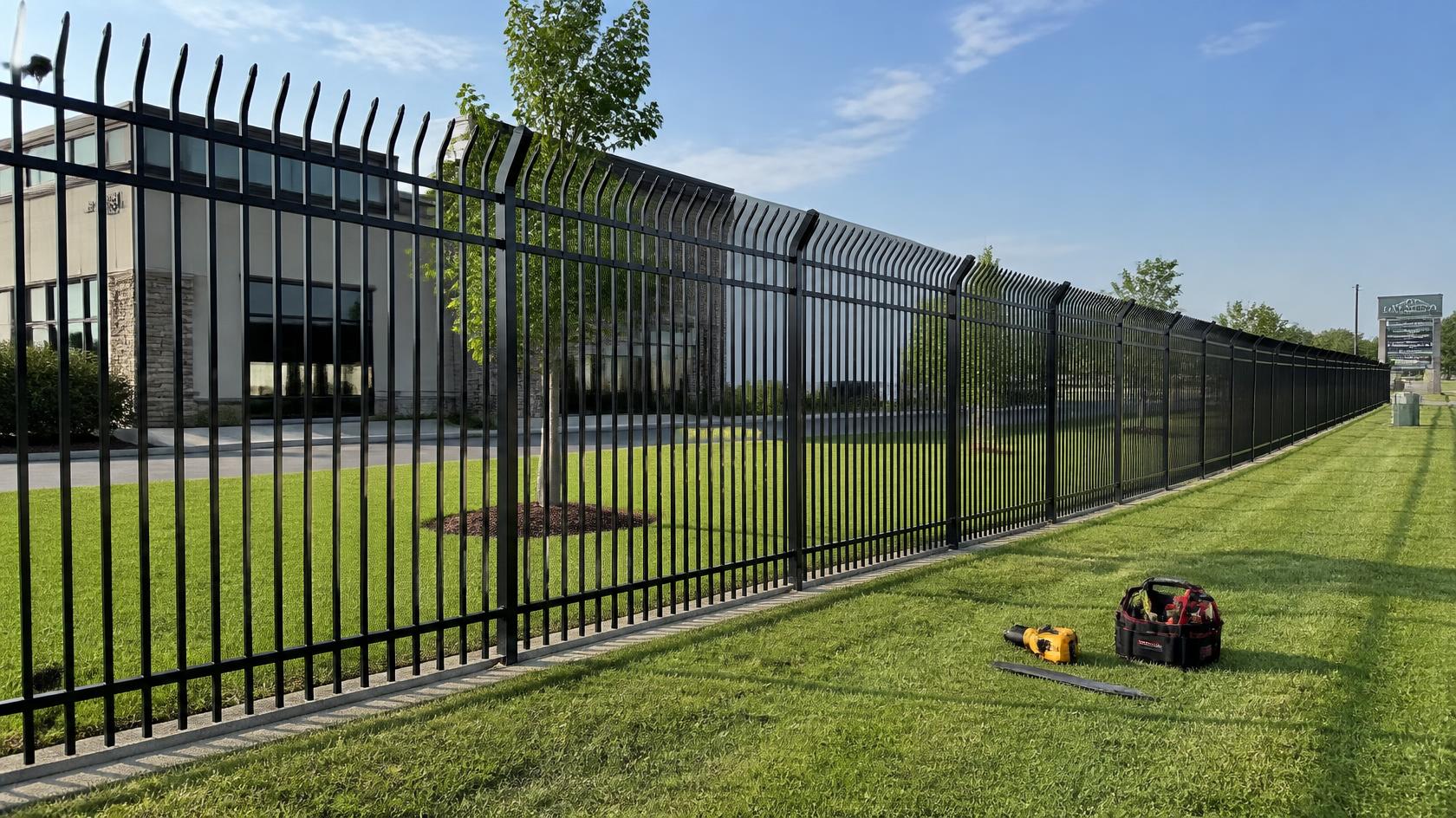
Security fencing works best when posts, rails, chain link fabric, gates, locks, hardware, and ground-level gaps are checked regularly. Footville property owners should also inspect for weather damage, corrosion, drainage problems, and vehicle impacts so weak spots can be repaired before they affect the perimeter.
Why Security Fence Maintenance Matters
A security fence is only as dependable as its weakest section.
Even when most of the perimeter looks solid, one leaning post, loose gate, torn chain link section, or opening beneath the fence can reduce how well the system controls access.
Routine inspections are especially important around:
Vehicle entrances
Pedestrian gates
Parking areas
Equipment yards
Outdoor storage
Dumpster enclosures
Service areas
Homeowners may also use security fencing around larger properties, pets, detached buildings, or areas where stronger boundary control is important.
Walk the Entire Fence Line
Start maintenance with a complete perimeter inspection.
Look for:
Leaning posts
Loose panels or mesh
Bent rails
Broken fittings
Rust
Damaged gates
Openings beneath the fence
Vegetation hiding sections
Check both sides whenever access allows.
Pay closer attention to corners, terminal posts, gates, and sections near roads or vehicle traffic because these areas often experience more stress.
Check Posts for Stability
Posts provide the structural support for the fence.
Watch for:
Visible leaning
Movement at ground level
Exposed concrete
Soil erosion
Rust near metal post bases
Rot around wood posts
Bent posts after impacts
Wisconsin freeze-thaw cycles can gradually move soil around fence footings. Heavy rain and snowmelt may also weaken the ground.
A sound post may sometimes be reset, while badly bent, deeply corroded, rotten, or unstable posts generally require replacement.
Inspect Chain Link Fabric
Chain link is commonly used for security fencing because it provides visibility while defining the perimeter.
Check for:
Sagging mesh
Torn areas
Broken tie wires
Loose tension bands
Gaps beside posts
Openings at ground level
Strong fabric can often be retensioned after structural problems are repaired.
If the mesh has become brittle, heavily corroded, or damaged across a large section, sectional replacement may be more practical.
Check Rails and Connections
Top rails and fittings help keep chain link fencing aligned and properly supported.
Inspect:
Bent top rails
Loose rail sleeves
Brace bands
Tension bands
Bolts
Tension bars
Tie wires
Small hardware failures should not be ignored.
A few missing ties or loose fittings can allow a larger section of fabric to pull away from the frame over time.
Keep Gates Secure
Gates deserve extra attention because they move repeatedly and often experience the most wear.
Check swing gates for:
Sagging
Dragging
Loose hinges
Bent frames
Misaligned latches
Leaning gate posts
The gate should close completely and latch or lock without being forced.
If the latch suddenly stops lining up, inspect the gate posts before simply moving the latch.
A shifting post may be the real cause.
Maintain Sliding Gates
Larger properties may use sliding gates.
Check for:
Uneven movement
Grinding
Worn rollers
Bent guides
Debris in the operating path
Gates stopping before closing
Keep mud, gravel, leaves, snow, and ice away from tracks, rollers, and travel paths.
Repairing a small movement problem early can help prevent damage to the gate frame and terminal posts.
Inspect Locks and Gate Hardware
Security depends on more than the fence itself.
Check:
Latches
Locks
Hinges
Bolts
Brackets
Gate stops
Access-control components where applicable
Loose or damaged hardware should be corrected promptly.
For commercial properties, gate hardware may experience frequent use from employees, deliveries, and service vehicles, making routine checks especially important.
Watch for Gaps Along the Ground
Openings beneath a fence can weaken perimeter control even if the upper portion remains secure.
Gaps may develop because of:
Erosion
Animal digging
Poor grading
Loose chain link fabric
Seasonal ground movement
Possible repairs include restoring the soil grade, retensioning fabric, or adding appropriate bottom support.
If the same gap keeps returning, check for a drainage or erosion problem instead of repeatedly filling it.
Address Rust Before It Spreads
Metal fence components should be inspected for corrosion.
Common areas include:
Post bases
Hinges
Bolts
Latches
Tie wires
Tension hardware
Welded connections
Minor surface corrosion may be manageable while the underlying metal remains strong.
More serious signs include:
Flaking metal
Thinning posts
Brittle mesh
Hardware breaking during adjustment
Widespread corrosion may require replacement of larger sections rather than continued spot repair.
Keep Vegetation Under Control
Trees, vines, shrubs, and weeds can interfere with security fencing.
Overgrowth may:
Hide damage
Pull on chain link
Trap moisture
Block inspection
Interfere with gates
Create pressure against panels
Keep the fence line reasonably clear.
Overhanging branches should also be monitored because storms and heavy snow can cause them to fall onto the perimeter.
Check for Vehicle and Equipment Damage
Commercial security fences often run near active traffic areas.
Possible impact sources include:
Delivery trucks
Trailers
Forklifts
Snowplows
Landscaping equipment
Waste-removal vehicles
After an impact, inspect more than the visibly bent section.
The force may also affect nearby rails, posts, fabric, or gate alignment.
If one location repeatedly gets hit, consider whether wider gates, bollards, wheel stops, or clearer vehicle routes could reduce future damage.
Inspect Drainage Around Posts
Standing water can affect fence foundations over time.
Look for:
Mud around posts
Erosion
Low areas
Exposed footings
Runoff flowing beneath the fence
Footville properties can experience repeated freezing and thawing during winter, which may worsen movement in saturated ground.
Correcting drainage may help reduce recurring post and gate problems.
Prepare for Wisconsin Weather
Seasonal conditions can affect security fencing throughout the year.
Strong Winds
Check loose panels, large gates, rails, and posts after windy conditions.
Snow and Ice
Avoid piling heavy snow directly against fencing when practical.
Snow pressure may stretch chain link fabric or stress rails and posts.
Freeze-Thaw Cycles
Ground movement can shift posts and change gate alignment.
Heavy Rain
Inspect for soil erosion, standing water, and new gaps beneath the fence.
A quick inspection after severe weather can help identify weak areas before they worsen.
Residential Security Fence Priorities
Homeowners should pay close attention to:
Gates that do not latch
Pet escape gaps
Loose chain link
Sharp or damaged wire
Unstable posts
Areas hidden by vegetation
Targeted repairs may be enough when most of the fence remains structurally sound.
Commercial Security Fence Priorities
Commercial property owners should focus inspections around:
Vehicle gates
Employee entrances
Equipment storage
Loading areas
Parking lots
Outdoor inventory
Dumpster enclosures
High-use sections may need more frequent checks than quieter parts of the perimeter.
When Repair Is Usually Enough
Repair may make sense when:
One or two posts are damaged
A single rail is bent
Chain link fabric remains strong
Gate hardware needs adjustment
Corrosion is limited
Damage affects one section
When Replacement May Be Better
Replacement may be more practical when:
Several posts are unstable
Corrosion is widespread
Mesh has become brittle
Multiple rails are failing
Gates repeatedly need repair
Large sections no longer provide dependable security
Sectional replacement may also work when one portion is badly damaged but the rest of the fence remains strong.
Keep Your Footville Property Protected
Security fence maintenance should focus on maintaining a complete, reliable perimeter. Posts, rails, chain link fabric, gates, locks, drainage, and high-traffic areas all need regular attention.
Rockford Fence provides residential and commercial fence repair, replacement, installation, chain link fencing, security fencing, gates, dumpster enclosures, and commercial fence solutions.
Contact Rockford Fence for a security fence inspection in Footville, WI. The team can identify weak areas and recommend practical repairs or replacement based on the condition and use of the property.
