Top-Rated Fence Contractors in Northern Illinois: How to Choose
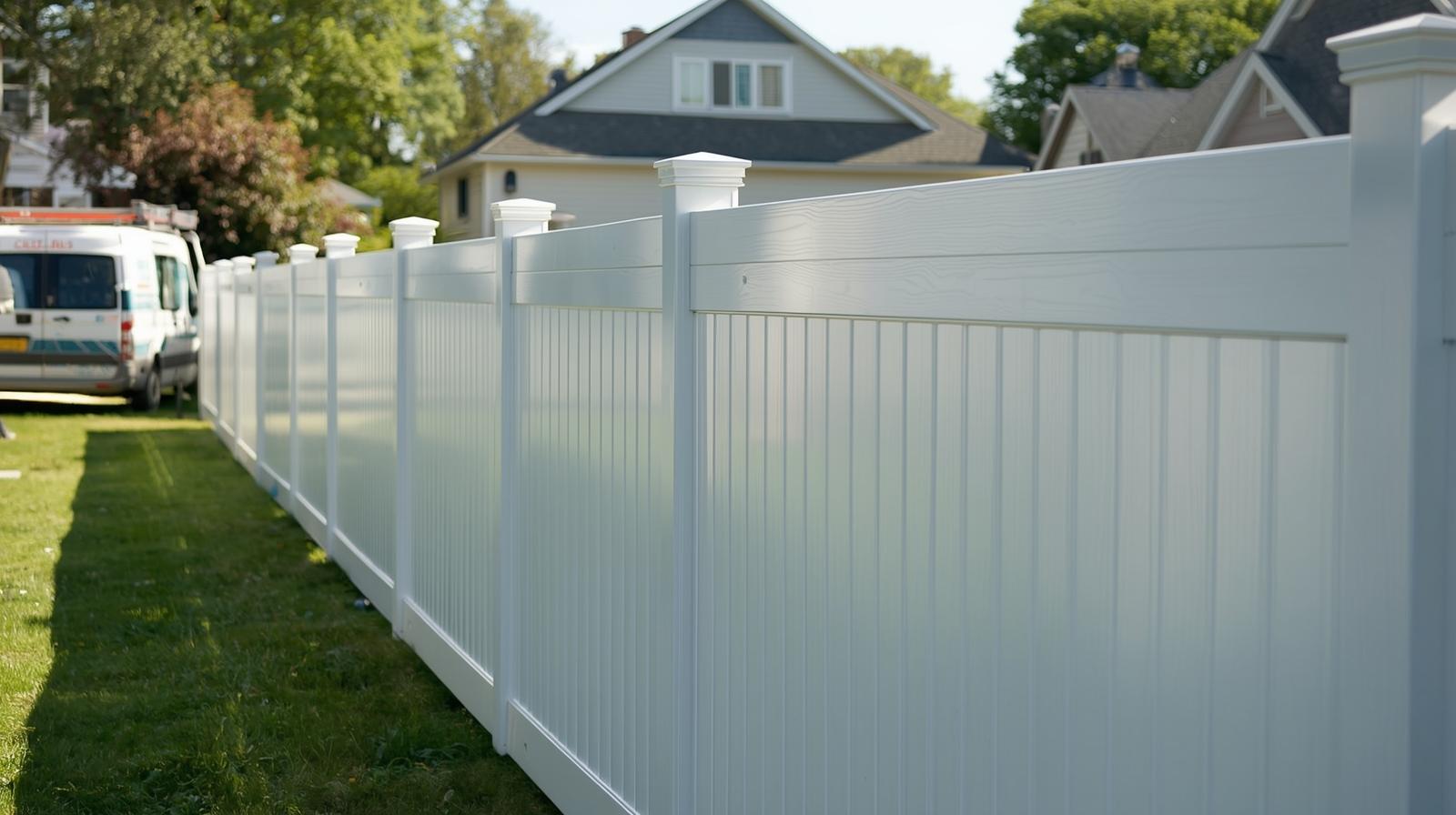
If you’re a homeowner in Rockford or anywhere across Northern Illinois, choosing the right fence contractor can feel surprisingly high-stakes. A fence isn’t just a visual boundary—it’s a structural system that has to stand up to freeze–thaw cycles, spring rain, summer humidity, and gusty fall winds. Add in varying soil conditions (from heavier clay to sandy pockets) and the reality that many yards aren’t perfectly level, and the “cheap and quick” approach often becomes the “repair and replace” approach.
This guide breaks down how to choose top-rated fence contractors in Northern Illinois, what to ask, and what materials and installation details matter most in our region.
Why Northern Illinois Fence Installation Is Different
Northern Illinois has a climate that demands more from outdoor structures than many homeowners expect.
Freeze–Thaw Cycles and Post Stability
When temperatures swing above and below freezing, moisture in the ground expands and contracts. That movement can heave fence posts, loosen concrete collars, and create leaning over time—especially if posts aren’t set deep enough or drainage isn’t considered properly.
Spring Rain, Saturated Soil, and Drainage
Heavy rain and snowmelt can saturate the ground for weeks at a time. In low spots, standing water can accelerate wood rot and shorten the lifespan of certain fence components. Proper grading awareness, post protection, and smart material selection matter significantly in this region.
Wind Load and Panel Design
Open fields and exposed subdivisions across Rockford and Northern Illinois can see strong gusts throughout the year. Solid privacy panels catch wind like sails. A quality contractor will discuss wind considerations, spacing, reinforcement, and post sizing based on your yard’s exposure.
What “Top-Rated” Really Means
Online ratings are helpful—but they’re not the whole story. In Northern Illinois, “top-rated” should mean consistent workmanship, strong communication, and proven durability in local conditions.
Consistent Workmanship
Look for patterns in reviews that mention:
Straight fence lines
Gates that operate smoothly
Clean job sites
On-time completion
Professional handling of issues or adjustments
One or two five-star reviews aren’t enough. You want a track record of reliable installations that hold up after multiple winters.
Clear Communication and Written Scope
A professional fence contractor should provide a written quote that includes:
Fence type, height, and total linear footage
Post size and spacing
Materials being used
Gate quantities and hardware details
Cleanup and disposal
Timeline expectations
Warranty information (labor and materials)
Clarity upfront prevents confusion later.
Local Knowledge
Reputable contractors understand how local processes work and encourage homeowners to confirm property boundaries and mark utilities before digging. They also understand common terrain challenges in Rockford-area neighborhoods.
How to Choose the Right Fence Contractor
Start With Your Goals
The best fence depends on what matters most to your household:
Privacy: Taller solid panels in wood, vinyl, or composite
Pets: Secure spacing and dig-resistant options
Security: Aluminum or steel with reinforced gates
Curb appeal: Decorative aluminum, stained wood, or modern horizontal styles
A strong contractor will ask about lifestyle, long-term plans, and how you use your yard—not just measurements.
Match Materials to Northern Illinois Conditions
Material selection should reflect both your aesthetic preferences and our regional climate.
Wood
Pros: Classic look, customizable, repairable
Considerations: Requires sealing or staining; sensitive to prolonged moisture
Best practice: Use rot-resistant materials and protect posts properly
Vinyl
Pros: Low maintenance, clean appearance
Considerations: Lower-quality vinyl can become brittle in extreme cold
Best practice: Choose high-quality profiles with reinforcement where needed
Aluminum
Pros: Rust-resistant, excellent for sloped yards, elegant appearance
Considerations: Limited privacy without landscaping
Best practice: Powder-coated systems with sturdy posts
Chain Link
Pros: Budget-friendly, durable, practical for pets
Considerations: Minimal privacy
Best practice: Black vinyl-coated options offer a more modern look
A knowledgeable contractor will explain why a material works for your specific yard—considering drainage, sun exposure, wind, and maintenance expectations.
Evaluate the Installation Plan
Quality installation is often what separates a long-lasting fence from one that leans after a few winters.
Important details to discuss:
Post depth for freeze–thaw stability
Concrete or alternative setting methods based on soil conditions
Post spacing and structural reinforcement
Gate framing and sag prevention
Approach for handling slopes or uneven terrain
If a contractor can’t clearly explain how they account for these factors, that’s worth reconsidering.
Understand the Warranty
Ask what is covered and for how long:
Labor warranty
Material warranty
Exclusions (storms, ground movement, misuse)
Process for warranty service
Strong companies stand behind their work and explain terms clearly.
Compare Estimates Carefully
The lowest quote often reduces costs in ways that affect longevity, such as:
Shallower post depth
Lighter hardware
Lower-grade materials
Minimal bracing
Limited cleanup
Instead of focusing only on price, ask what makes each proposal structurally sound for Northern Illinois conditions.
Practical Fence Advice for Northern Illinois Homeowners
Plan for Snow and Salt
If your fence runs along a driveway or sidewalk, winter snow piles and de-icing products can affect durability. Leaving room for snow storage and avoiding constant contact with salty slush can extend fence life.
Pay Attention to Gates
Most fence problems begin at the gate. Gates are moving parts exposed to weather stress. A quality installation includes:
Reinforced gate posts
Heavy-duty hinges and latches
Proper bracing
Adequate swing clearance (especially in snowy conditions)
Consider Airflow in Exposed Yards
If your backyard faces open land or wide streets, solid privacy fences may experience higher wind load. In some cases, semi-privacy styles can reduce pressure while still offering screening.
Local Insights for Rockford and Northern Illinois
Northern Illinois properties vary widely. Older neighborhoods often have mature trees and established root systems that require careful post placement. Newer developments may have compacted fill soil or recently graded lots that continue settling over time.
Sloped yards are also common. Choosing the correct installation method—stepped panels or racked systems—helps maintain a clean, straight appearance instead of a “wavy” look.
Understanding these local factors can make the difference between a fence that simply looks good at installation and one that performs well year after year.
Frequently Asked Questions
What’s the best fence material for Northern Illinois weather?
Vinyl and aluminum are popular for low maintenance and durability. Wood offers a traditional appearance but requires ongoing care to handle moisture and seasonal shifts.
Why do fences lean after a few winters?
Common causes include insufficient post depth, poor drainage, undersized posts, or weak bracing—especially around gates. Freeze–thaw cycles can magnify small installation shortcuts.
Is a privacy fence always the best option?
Not necessarily. If your yard is exposed to strong wind, a semi-privacy design may reduce wind stress while still providing screening.
How long should a professionally installed fence last?
Longevity depends on material, installation quality, and maintenance. Properly installed fences designed for local conditions can last many years with minimal issues.
How can I extend the life of my fence?
Keep the base clear of constant moisture, avoid piling mulch against wood posts, manage snow placement, and address minor repairs before they become major issues.
Choosing the right contractor is about more than getting a fence installed—it’s about investing in a structure that can handle Rockford winters, spring rains, uneven terrain, and everyday use.
If you’re exploring options and want practical guidance rooted in real Northern Illinois conditions, Rockford Fence is available to answer questions, walk your property, and help you determine what makes the most sense for your home and budget.
